Review Article | DOI: https://doi.org/10.31579/2690-8808/289
Department of Pure and Industrial Chemistry, Abia State University, Uturu.
*Corresponding Author: Ubiji Chioma Ernest, Department of Pure and Industrial Chemistry, Abia State University, Uturu.
Citation: Ubiji C. Ernest, Eze, Sunday Onyekwere, Igwe J. Chibuzo, (2025), Challenges of Gas Flaring in Nigeria and Way Out, J, Clinical Case Reports and Studies, 6(9); DOI:10.31579/2690-8808/289
Copyright: ©, 2025, Ubiji Chioma Ernest. This is an open access article distributed under the Creative Commons Attribution License, which permits unrestricted use, distribution, and reproduction in any medium, provided the original work is properly cited.
Received: 29 October 2025 | Accepted: 17 November 2025 | Published: 04 December 2025
Keywords: dentistry; techniques; computer
The assessment, comprehensively reviewed the challenges of gas flaring in Nigeria, including the exploration, formation and extraction of crude oil. Gas flaring is simply the open-air combustion of fuel gas. Initial start-up flaring, Continuous production flaring and Operational/Non-continuous production flaring which are the 3 major classified categories of flaring were discussed, including composition of flared gases, types of flare gases such as ground flares, pit flares and elevated flares. The cumulative effects of gas flaring under the headings: Environments, Health, Economy and other effects were thoroughly discussed. Flaring has many disastrous consequences such as; decrease in the life expectancy of people living near flare sites due to poisonous emissions which lead to a variety of health challenges and diseases. Flaring also contributes to global warming, which is a major concern today as it causes extreme weather conditions, extinction of certain species and climate change. Nigeria stands to gain a great deal from utilizing natural gas properly in terms of revenue and increased job opportunities, consequently it is necessary that the flaring of natural gas should be stopped. Several alternatives have been proposed, including using flared gas to produce electricity and as a petrochemical feedstock, liquefying of flare gas and reinjecting it into the earth as a secondary oil recovery technique. Nigeria has made several policies to reduce and subsequently end gas flaring and has set multiple deadlines which ended up being postponed severally. The new deadline to end gas flaring in Nigeria is now anticipated to be by 2030. However, due to many setbacks, it is possible that the deadline may yet be shifted again.
The open-air combustion of fuel gas is referred to as Gas flaring. It is the method of burning unwanted or unused combustible gas that would otherwise be immediately discharged into the atmosphere (Elehinafe et al, 2022). An appraisal by Olujobi in 2019, defined Gas flaring as the disposition of natural gas or associated gas that are produces along with the crude-oil during oil exploitation and exploration operations. Olujobi considered gas flaring as an operational waste of energy resources in the petroleum sector that encourages greenhouse gas emissions. Also, according to Ajugwo in 2013, Gas flaring is the burning of natural gas that is associated with crude oil when it is pumped up from the ground. It is done to convert the methane (CH4) content of the gas, into the products which are less fatal to the persons in the flare site’s surroundings (Olusegun, 2016). There are two forms of flare gases utilized in the petroleum and natural gas sector: associated gas and non-associated gas.
• Associated gases are the gases liquefied in oil at formation pressure and expelled throughout the oil extraction process. Lighter hydrocarbons (C1 to C4) and other impurities are disseminated in heavier molecules of deep reserves under high pressures when the working pressure drops from formation to atmospheric pressure. The associated gases are separated from the liquids and discharged when the high pressure is decreased to ambient levels at the fountainhead in the surface facilities.
• Non-associated gases are the gases obtained during unusual situations such as the initial process, process disruptions and cessation activities. Gases are continually gathered from a variety of processes and delivered to tall stacks to be burned for process protection and operation. This form of flare gas has a lower ecological consequence than associated gas flaring due to its small volume (Yazdani et al., 2020; Soltanieh et al., 2016).
In petroleum-producing areas where there is inadequate infrastructure to utilize natural gas, flaring is employed to dispose -off associated gas (Udok and Bassey, 2017; Ajugwo, 2013). Also chemical factories, oil refineries, oil wells, rigs and landfills, gaseous waste products and sometimes even non-waste gases produced are routed to an elevated vertical chimney called a gas flare and burnt off at its tip. Waste gases are subjected to such a process either because the gases are waste or it is difficult to store and transport them. Non-waste gases are burnt off to protect the processing equipment when unexpected high pressure develops within them. Gas flaring in oil rigs and wells contribute significantly to greenhouse gases in the atmosphere (Medilinkz, 2010). The negative consequences of releasing undesired byproducts associated with flaring into the environment cannot be overlooked (Audu et al.; Lawrence, 2016; Okoli, 2013). Natural gas flaring has a severe environmental impact owing to carbon emissions, additionally it results in a loss of financial resources. Oil corporations burned $1.24 billion worth of natural gas in 2020, enough to supply power to over 180 million Nigerians for an entire year (Akinpelu, 2021). Several toxic chemicals are released into the environment during flaring, which have been related to gastrointestinal issues, Skin disorders, tumors, cerebral, hormonal and developmental impacts, as well as cytological and respiratory problems, atherosclerosis and hypertension, among other diseases. It also generates a lot of heat and pain (Enetimi, 2017). According to recent research, gas flaring modifies the concentration of water ions (mostly sulphate, carbonate and nitrate), pH and conductivity of heavy metals (such as lead and iron) in rainfall. Its impact on vegetation as a result of variations in soil quality characteristics and temperature, leads to a decrease in growth and production (Idah, 2017). The world has a major environmental dilemma today because it emits a lot of greenhouse gases, which adds to the general problem of global heating/warming. (Generon, 2019, Elehinafe et al., 2022). Global heating is projected to have lengthy and often devastating consequences. It leads to higher average temperatures and temperature extremes, as well as extreme weather events including hurricanes, hot spells, dry spells, snowstorms, rainstorms, floods etc. (Bradford, 2017). In addition, infrastructures built for oil and gas production could have disastrous repercussions for wildlands. Heavy machinery is used to build roads, the infrastructure and drilling sites, which has the potential to harm enormous paths of vegetation. The damage is frequently irreparable. The extraction of fossil fuels takes place on almost 12 million acres of public land. As a result of this, large sections of habitat needed by fauna and humans are frequently lost. If oil and gas corporations leave these locations in the future, regeneration of the land might take years (Huyse, 2018). As a result of the above evidence, this study is intended to bring to bare to the public awareness on Gas flaring, its challenges in Nigeria and possible way out. It also examined the research gap that exists and recommends approaches for further research into potential environmental gas flaring solutions. In addition, the need to reduce gas flaring, there is need to safeguard the environment from degradation, to prevent acute damage to the eco-system as well as human health and to generate more revenues to the Federal Government from gas owing to the declined in the global oil price.
Gas Flaring In Nigeria
Nigeria is blessed with huge gas reserves of about 159 trillion cubic feet of natural gas and it is ranked one of the top ten countries endowed with natural gas in the world (Orlando, 2006). An approximately 2.5 billion cubic feet of gas is allegedly being flared by the many oil facilities. In general Nigeria flares 17.2 billion m3 of natural gas per year in conjunction with the exploration of crude oil in the Niger Delta (Olujobi, 2017; Ajugwo, 2013). This high level of gas flaring is equal to approximately one quarter of the current power consumption of the African continent. Even though the country is fairly dependent on oil and it has become the center of current industrial development and economic activities, Nigerian as a nation, rarely consider how oil exploration and exploitation processes create environmental, health and social problems in local communities near oil producing fields (Ajugwo, 2013). The Nigerian government has not enforced environmental regulations effectively because of the overlapping and conflicting jurisdiction of separate governmental agencies governing petroleum and the environment as well, because of non-transparent governance mechanisms. Neither the Federal Environmental Protection Agency (FEPA) nor the Department of Petroleum Resources (DPR) has implemented anti-flaring policies for natural gas waste from oil production, nor have they monitored the emissions to ensure compliance. The Federal Environmental Protection Agency (FEPA) has had the authority to issue standards for water, air and land pollution and has had the authority to make regulations for oil industry. However, in some cases their regulations conflict with the Department of Petroleum Resources (DPR)’s regulations started in 1991 for oil exploration (Manby, 1999). From an economic perspective, the Nigerian government’s main interest in the oil industry is to maximize its monetary profits from oil production. Oil companies find it more economically expedient to flare the natural gas and pay the insignificant fine than to re-inject the gas back into the oil wells. Additionally, because there is an insufficient energy market especially in rural areas, oil companies do not ensure an economic incentive to collect the gas. From a social perspective, the oil-producing communities have experienced severe marginalization and neglect. The environment and human health have frequently been a secondary consideration for oil companies and the Nigerian government. However, although there may be reasons for the continuous gas flaring, there are many strong arguments suggesting that it should be discontinued. Corporations’ accountability to the people and environment surrounding them necessitate that oil companies should be required to re-inject the gas, to recover it, or to shut down any extraction facilities in which the gas flaring is occurring. Because of this massive oil exploration in the Niger Delta, the ramifications for human health, local culture, indigenous self-determination and the environment are severe (Olujobi, 2017; Ajugwo, 2013). As is the case in most oil producing regions of less developed countries, the economic and political benefits are given significantly more weight by the government than the resulting damage to the environment and human health (Olujobi, 2017; Ajugwo, 2013).
Oil And Gas Extraction
Oil and Natural Gas Formation
Oil is a dense liquid with an appearance that can range from black to brown to amber (Elehinafe et al, 2022). It is a complex combination of hydrocarbons made up of atoms or molecules of carbon, hydrogen, sulphur, nitrogen, oxygen and metals that developed millions of years ago from animal and plant remnants accumulated in sand and silt; and crushed by sedimentary rock layers (CAPP, 2021). Natural gas and oil are made up of dead biological materials that was collected from the bottom of seas, lakes and swamps over hundred millions of years (CAPP, 2021). Oil is generally made up of dead microalgae (phytoplankton), whereas coal and natural gas are predominantly made up of land plants (World Ocean Review, 2021).
Oil and Natural Gas Exploration
The process of extracting petroleum from the Earth has been divided into three categories-
The first category is concerned with:
• Obtaining oil and natural gas from the earth,
• Securely transporting it over thousands of kilometers and
• Transforming these resources into sources of energy and finished produce.
At various stages of the process, environmental pollutants are released into the surrounding environment. Crude oil is obtained from the reservoirs containing both gas and oil. Natural gas has two major sources: “non-associated” gas, which comes from the fields that exclusively generate gaseous hydrocarbons and “associated” gas, which comes from the fields that also produce crude oil. The associated gas, is isolated from the unrefined petroleum at a Flow Station. (IEA, 2021; Energy, 2017; Fawole et al., 2016).
Seismic surveys are carried out in the hunt for suitable geological formations that potentially produce oil resources. This is accomplished through the employment of two research approaches.
• The first method involves detonating subsurface incendiary devices near the deposit and observing the seismic effects to determine its position and magnitude.
• The other method is to collect the information from the seismic waves that occur naturally (Poursartip et al., 2020).
Drilling a deep hole in the earth is the initial step in the extraction of oil. Afterwards, a tubular steel casing is inserted in the hole, assuring the solidity of the construction. To improve the flow of crude oil, more holes are drilled. Hydrochloric acid (HCl) is used to solvate the pollutants in the drilled well. Therefore, carbonate, lime, scale, rust and carbonite deposits are effectively acidified. After drilling, HCl is also utilized to dispose -off remaining cement. Subsequently, a “Christmas tree” is installed at the head of the well to control the fluid pressure and flow rate (Pearson, 2019). The major recovery stage begins when the entire equipment has been connected. Many natural mechanisms, such as gravity drainage, are exploited in this procedure to extract oil. In the first stage, the recovery rate is frequently less than 15 per cent. As more oil is extracted, the subsurface pressure declines to the point where it can no longer bring out oil from the earth. The second stage of recovery begins at this point. Secondary petroleum recovery can be accomplished using a variety of methods. This usually entails injecting fluids underground to raise the pressure. The typical recovery percentage after primary and secondary oil recovery processes is rarely greater than 45 per cent. The final step of the extraction process is the third-order recovery. This is accomplished in a variety of ways.
• The first method uses thermal heating to lower the viscosity of the oil.
• The second method is to introduce gas into the deposit.
• Chemical flood is the final method. It involves combining thick, insoluble polymers and H2O, then infusing them underground.
• Tertiary recovery provides for an extra 15% of the deposit’s oil output (Vishnyakov, 2020).
Since the stocks of land oil supplies are diminishing, the search for their reserves beneath the bottom of the sea begins. Drilling platforms are developed for this purpose, which is a complex, costly and time-taking procedure – It takes two years to construct the mining platform. They can be indelibly attached to the bottom about ninety meters(90m) or glide on floats secured with an anchor system. Deep-sea mining rigs are connected to a network of wells that extract oil from permeable rocks. Oil is obtained from the gas as well as from the drilling platform. The raw material obtained is transported to a factory or drilling and transporting vessel through a pipeline system. The oil and gas are subsequently transferred to a container and brought onshore. The volume of oil obtained is not only determined by the boring methods used. The geological features, such as rock permeability, the power of natural forces, the deposit’s porosity, or the oil’s viscosity, are critical (PCC Group Product, 2021).
Overview
Nigeria is located in Western Africa, sharing borders with the Republics of Niger and Chad to the north, the Republic of Benin to the west and the Republic of Cameroon to the east. It is fortunate to have a large oil reserve, which has supplied the funding for development in other areas (EITI, 2018; Nigeria High Commission, 2021). Nigeria is Africa’s leading oil provider and the 13th world’s largest oil supplier, with crude oil accounting for 65% of total government revenue. It has the ability to produce two million five hundred thousand (2,500,000) barrels of crude oil per day at full operating capacity (EITI, 2018; Nigeria High Commission, 2021). The crude oil is extracted from a reservoir that also contains gas, which is produced at the same time as the oil. A flow station separates the accompanying natural gas from the oil. However, due to the country’s fragile domestic gas market, roughly 75% of the related gas is flared in Nigeria. The amount of gas flared is projected to be 2 billion cubic feet daily, the greatest amount of any country belonging to OPEC (Abdulkareem et al., 2012; World Bank, 2020). Nigeria is rated 7th highest gas fiery nation globally (Table 1.) by the World Bank’s Global Gas Flaring Reduction Partnership (NNPC, 2017). However, gas flaring being an international concern and major source of air pollution with deleterious effects on climate change have prompted various academic studies which revealed that approximately 150 billion cubic meters or 5.3 trillion cubic feet of natural gas are burnt yearly with 400 million tons of CO2 discharges annually. In Nigeria, an estimated 800 million standard cubic feet of gas is flared regularly in virtually 144 gas flare locations in Nigeria. Studies also revealed that oil companies flared an aggregate of 301.69 billion standard cubic feet of gas in November 2016 to November 2017 at the exchange rate of N360 to a dollar at that time and the Domestic Supply Obligation rate of $1.50 per 1,000 Standard Cubic Feet of gas. This means loss of N162.912 billion revenues which could have accrued to the Federation account from gas (The Nigeria National Petroleum Corporation Monthly Financial and Operations Report November, 2017). The oil industry’s profits and incomes have made significant contributions to the Nigeria’s economic well-being. Its exploration, however, has resulted in a swerved of socio-ecological issues. The negative consequences of releasing undesired byproducts associated with flaring into the environment cannot be ignored (Audu et al.; Lawrence, 2016; Okoli, 2013). Oil corporations burned $1.24 billion worth of natural gas in 2020, enough to supply power to over 180 million Nigerians for an entire year (Akinpelu, 2021).
| Ranking | Countries | 2013 (bm3) | 2014 (bm3) | 2015 (bm3) | 2016 (bm3) | 2017 (bm3) | 2018 (bm3) |
| 1 | Russia | 19.9 | 18.3 | 19.6 | 22.4 | 19.9 | 21.3 |
| 2 | Iraq | 13.3 | 14.0 | 16.2 | 17.7 | 17.8 | 17.8 |
| 3 | Iran | 11.1 | 12.2 | 12.1 | 16.4 | 17.7 | 17.3 |
| 4 | USA | 9.2 | 11.3 | 11.9 | 8.9 | 9.5 | 14.1 |
| 5 | Algeria | 8.2 | 8.7 | 9.1 | 9.1 | 8.8 | 9.0 |
| 6 | Venezuela | 9.3 | 10.0 | 9.3 | 9.3 | 7.0 | 8.2 |
| 7 | Nigeria | 9.3 | 8.4 | 7.7 | 7.3 | 7.6 | 7.4 |
| 8 | Libya | 4.1 | 2.9 | 2.6 | 2.4 | 3.9 | 4.7 |
| 9 | Mexico | 4.3 | 4.9 | 5.0 | 4.8 | 3.8 | 3.9 |
| 10 | Angola | 3.2 | 3.5 | 4.2 | 4.5 | 3.8 | 2.8 |
Table 1: Top 10 Flaring Countries from 2013–2018 in billion cubic meter (bm3) (World Bank, 2020)
Composition of Flared Gases
Flared gases, regularly composed of a mixture of gases. The gas supply for the flare system determines the composition. The bulk of the related gases generated during oil and gas production are composed of natural gas. Natural gas comprises 90% methane (CH4), a trace of ethane(C2H6) and a few other hydrocarbons; inert gases such as N2 and CO2 may also be present (Peterson et al., 2007). Refineries and other process industries often flare a combination of hydrocarbons and in certain situations, hydrogen (H2). In contrast, landfill gas, biogas and digester gas are a combination of CH4 and CO2 with trace quantities of other inert gases. The changes in gas composition impact both the heat transmission capacities of the gas and the performance of the flowmeter. Table 2 represents a typical plant’s waste gas components (Peterson et al., 2007).
| Composition | Percentage flared (%) | ||
| Min | Max | Average | |
| Methane | 7.17 | 82.0 | 43.6 |
| Ethane | 0.55 | 13.1 | 3.66 |
| Propane | 2.04 | 64.2 | 20.3 |
| n-Butane | 0.199 | 28.3 | 2.78 |
| Isobutane | 1.33 | 57.6 | 14.3 |
| n-Pentane | 0.008 | 3.39 | 0.266 |
| Isopentane | 0.096 | 4.71 | 0.530 |
| n-Hexane | 0.026 | 3.53 | 0.635 |
| Ethylene | 0.081 | 3.20 | 1.05 |
| Propylene | 0.000 | 42.5 | 2.73 |
| 1-Butene | 0.000 | 14.7 | 0.696 |
| Carbon monoxide | 0.000 | 0.932 | 0.186 |
| Carbon dioxide | 0.023 | 2.85 | 0.713 |
| Hydrogen sulfide | 0.000 | 3.80 | 0.256 |
| Hydrogen | 0.000 | 37.6 | 5.54 |
| Oxygen | 0.019 | 5.43 | 0.357 |
| Nitrogen | 0.073 | 32.2 | 1.30 |
| Water | 0.000 | 14.7 | 1.14 |
Table 2: Gas Composition of Flared Gases at a Typical Downstream Plant (Peterson et al., 2007)
Classification of flaring
Flaring can be divided into: Initial start-up flaring, Continuous production flaring and Operational/non-continuous production flaring
Initial start-up flaring
During the dedication and early start-up phases of a plant or process unit, fluids are injected into new facilities and equipment to test the production of goods for sale (oil, LPG, condensate, etc.). Some associated gas may be flared through the early stage of the plant’s operation, or for reservoir management reasons before all of the gas compressors are commissioned (Bahadori, 2014).
Continuous production flaring
After the plant or process unit has been operational for a while, this type of flaring happens. Continuous production flaring is defined as a regular, uninterrupted gas stream directed to a flare stack because there is no cost-effective way to enhance the value of gas for a routine flash gas venting in upstream production. (IPIECA, 2021).
Operational/non-continuous production flaring
This type of flaring can happen for a number of reasons, both intentional and unplanned. Planned non-continuous production flaring can occur as a result of routine checks, facility closures, well completions, workovers, and fluids unloading, etc. Unplanned non-continuous production flaring includes mechanical equipment faults, instrument failures and difficulties in restarting well production. (IPIECA, 2021).
Gas flaring system
Gas flares, also known as flare stacks, are used to eliminate waste gas and lower non-waste gas pressures that can cause equipment to fail. By reducing gas pressures with pressure-relief valves, flare stacks used with non-waste gases act as safety systems. These gas flares not only reduce equipment strain but also keep gas processing equipment from becoming over-pressurized. (Globalspec, 2021). The pressure regulator is an important component that automatically releases fluids when the industrial equipment is burdened with excessive pressure. Pressure regulators are needed by industrial design rules, standards and regulations. Flare headers, which are massive pipe systems, transport the discharged fluids to a vertically raised flare. The gases are burnt as they leave the flare stacks. The flow rate of the combustible material in joules per hour impacts the magnitude and luminosity of the resulting inferno (Wermac, 2021). Typically, industrial plant flares have a knockout drum installed upstream to segregate significant volumes of liquid that may accompany the released gases (Figure 1). Steam is frequently injected into the flame to prevent the production of soot. A phenomenon called “over steaming” can occur when too much steam is supplied which leads to the decrease in efficiency of combustion and an increase in the level of gaseous emissions. A tiny amount of gas is continuously burned, similar to a pilot light, to keep the flare system running and ready for its principal role as an over-pressure safety device (Environmental Protection Agency, 2021). The gas flaring system is made up of the following six compartments:
• Knockout drum: this is used to remove any residual liquid from the discharged gases. There could be a variety of knockout drums: high-pressure and low-pressure drums are used to divert flow away from their respective pressure equipment. A cold relief drum is maintained separate from the wet relief system due to the risk of freezing.
• Water seal drum: this is used to keep the flame from flashing back from the flare stack’s top.
• Gas recovery system: this is useful for partial plant starting and shutdowns, as well as other times. The recovered gas is injected into the fuel gas system of the entire industrial facility.
• Steam injection system: this provides an outward impulse force for optimal air to relieve gas mixing and smokeless combustion.
• Continuous pilot flame (with its ignition mechanism): this can be used to ignite flare gases.
• Flare stack: this includes a flashback avoidance component towards the top (Kayode, 2007; Lees, 2005; Shore, 2006; Smitsvonk, 2001).
Types of flare gases
There are different types of gas flare. However, three major types include: ground flare, pit flare and elevated flare are considered in the study.
Ground Flare
Ground flare can either be closed or open pit. Figure 2 is a typical diagram of a closed ground flare. Ground flares are intended to conceal the flame while also reducing radiant energy and noise. They are made up of a refractory material-lined steel box or cylinder. They feature apertures around the base and are open at the top to allow combustion air to enter and could feature a variety of flare tips to enable turndown capabilities and flame distribution over the flare’s area. They have been employed offshore on floating production storage and offloading complexes and they are commonly used onshore in environmentally sensitive places. Majority of enclosed high-capacity flares are rectangular. Some of the benefits of using this type of flare are that it releases little radiation and produces less noise (Argo Flare Services, 2021; Dey, 2021).
Pit Flare
Pit flare also known as pilot burners, are often parallel to the ground and visible through a fire brick wall, clay wall and/or fence that surrounds the flare pit. A burn pit should be placed away from all common work areas and operating plants, where the smoke and associated thermal plume will not threaten personnel or damage equipment. It should be at least 1,000 feet (305 m) long, clear of all structures and public car parks, households and not be obstructed by local or general environmental conditions. Figure 3 depicts the appearance of a typical pit flare (Naoinc, 2021).
Elevated Flare
The waste gas is channeled through a vertical chimney and subsequently combusted at the stack top. A flare header, knock out drum, and flare stack make up the elevated flare system. The flare header collects waste gas and condensate from the entire plant, the condensate is separated in the knockout drum, and the gas is finally burned in a high-elevation stack. The elevated flare system is named from the fact that poisonous gases are burned at the flare tip at a high elevation. Figure 4 shows how a typical elevated flare looks like (Dey, 2021).
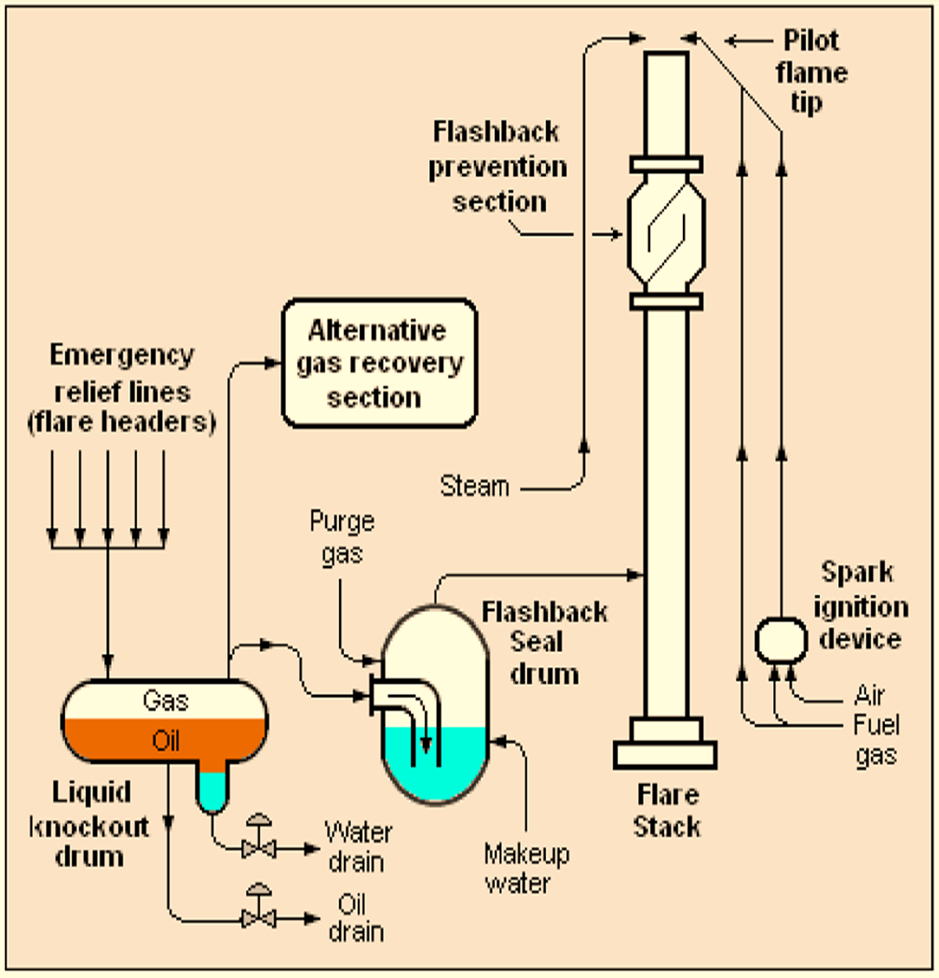
Figure 1: A schematic flow diagram of elevated flare stack system of an Industrial plant (Barati et al., 2019)
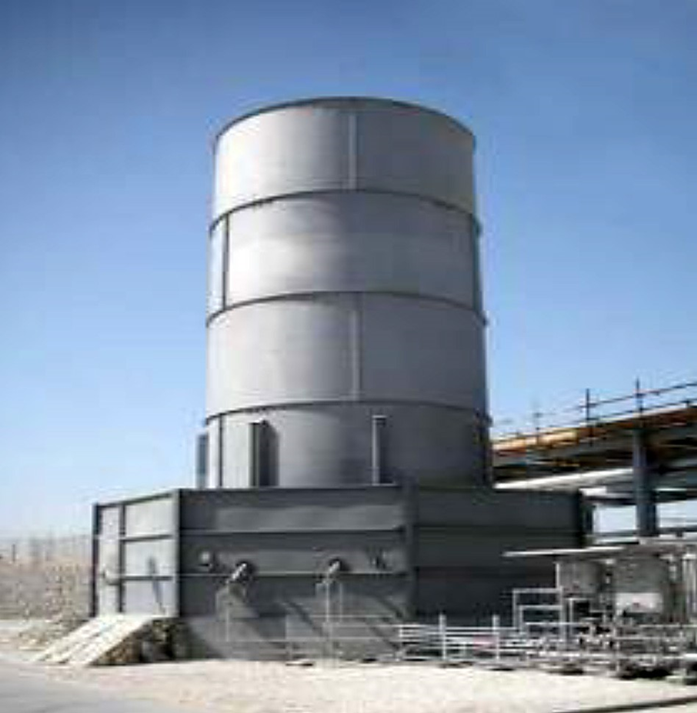
Figure 2: Closed ground flare (Keynes et al., 2020)
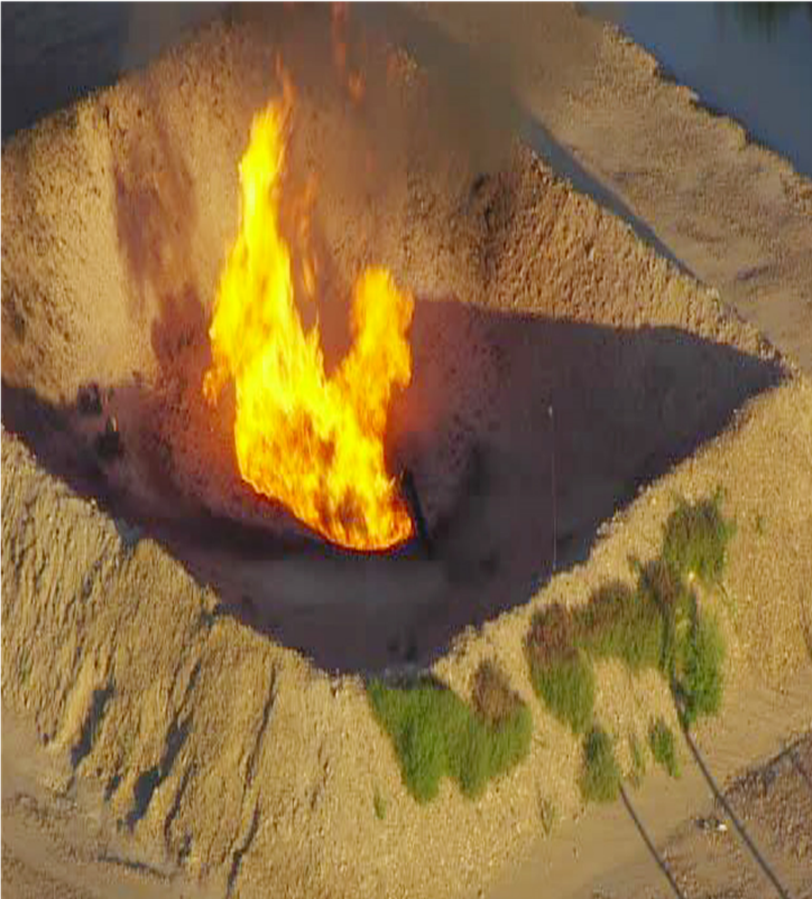
Figure 3: Pit flare (Getty Images, 2021)
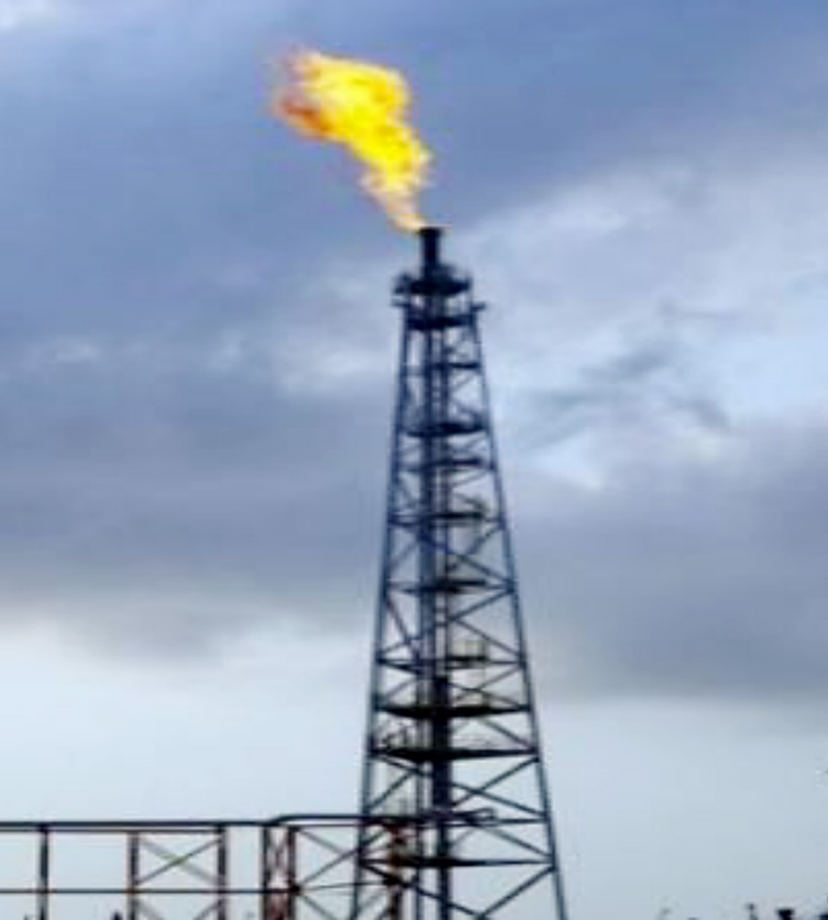
Figure 4: Elevated flare (Keynes et al., 2020)
Effects of Flare Gas in Nigeria
Gas flaring contributes to serious implications for both Nigerians and the rest of the world on the following aspects: Environments, Health, Economy and other effects.
Environmental Effects
Climate Change
The burning of fossil fuel mainly: coal, petroleum and natural gas has led to increase in greenhouse gases and global warming and were projected to worsen during the path of the 21st century according to the Intergovernmental Panel on Climate Change (IPCC) as stated by Ajugwo in 2013. Gas flaring contributes to climate change by emission of carbon dioxide (CO2), the main greenhouse gas. Venting of the gas without burning, is a practice for which flaring seems often to be treated as a substitute, releases methane (CH4), the second main greenhouse gas. Together and approximately, these gases make up about 80% of global warming to date. The complete combustion, in an ideal world, would react with all of the carbon in the fuel and convert it to atmospheric carbon dioxide (CO2). However, under certain conditions, the carbon conversion efficiency is lowered and the fraction of incomplete combustion or partially reacted species leaving the flare increases. The possible emission of unburned methane and black carbon, both significant short-lived climate forcing agents, is of particular interest. (Corbin et al., 2014). Black carbon(C), according to some estimates, is only next to carbon dioxide based on global warming effects. This is done by the absorption of sun rays, which raises the atmospheric temperature, as well as falling on ice and snow, which decreases their ability to reflect light. Also, black carbon is a component of fine particulate matter, which has harmful effects on human health and is responsible for about 7,000,000 deaths yearly due to air pollution (Climate and Clean Air Coalition. 2020; Okedere and Elehinafe, 2022).
Acid Rain
Acid rains have been linked to the activities of gas flaring (Medilinkz, 2010; Ajugwo, 2013). Corrugated roofs in the Delta region have been corroded by the composition of the rain that falls as a result of flaring. The primary causes of acid rain are emissions of Sulphur dioxide (SO2) and nitrogen oxides (NO) which combine with atmospheric moisture to form Sulphuric acid (H2SO4) and nitric acid (HNO2) respectively. Size and environmental viewpoint in the industry have very strong positive impact on the gas-flaring-related CO2 emission (Hassan and Konhy, 2013). Acid rain acidifies lakes and streams and damages vegetation. In addition, acid rain accelerates the decay of building materials and paints. Prior to falling to the earth, SO2 and NO2 gases and their particulate matter derivatives, sulfates and nitrates, contribute to visibility degradation and harm the public health.
Agriculture
The flares associated with gas flaring give rise to atmospheric contaminants. These include oxides of Nitrogen, Carbon and Sulphur (NO2, CO2, CO, SO2), particulate matter, hydrocarbons and ash, photochemical oxidants, and hydrogen sulphide (H2S) (Kindzierski, 2000; Ajugwo, 2013). These contaminants acidify the soil, hence depleting soil nutrient. Previous studies have shown that the nutritional value of crops within such vicinity are reduced. In some cases, there is no vegetation in the areas surrounding the flare due partly to the tremendous heat that is produced and acid nature of soil pH (Ubani and Onyejekwe, 2013). The effects of the changes in temperature on crops include stunted growth, scotched plants and such other effects as withered young crops. Orimoogunje et al, (2010) concluded that the soils of the study area are fast losing their fertility and capacity for sustainable agriculture due to the acidification of the soils by the various pollutants associated with gas flaring in the area.
Health Effects
Increase in health challenges
Around 15 kilometers of the flare site in the Niger Delta Region, which has over 45 active gas flare sites, hydrocarbon emissions; carcinogens like benzopyrene, benzene, carbon disulfide(CS2), carbonyl sulfide (COS) and toluene; metals like mercury, arsenic, and chromium; sour gas including hydrogen sulfide (H2S) and sulfur dioxide (SO2); and nitrogen oxides (NOx), has been discovered (Knizhnikov et al., 2009; Mokhatab et al. 2006; Nwanya, 2011; Okedere et al., 2021). Renal failure, central nervous system depression, chills, fever, myalgia, respiratory irritation, nausea, vomiting and headaches, cardiovascular failure and altered neurobehavioral function, multiple airways and lung injury, cancer, alveolar damage, emphysema and respiratory problems, endocrine dysfunction, low immunity, infertility and autistic disorders are all known side effects of environmental contamination released by flaring gas (CPHA, 2000). Today Niger Delta has the lowest life expectancy in Nigeria, at around 40years which is definitely a result of gas flare ups in the state (Akanimo, 2009; Ejiogu, 2013). The implication of gas flaring on human health are all related to the exposure of those hazardous air pollutants emitted during incomplete combustion of gas flare. These pollutants are associated with a variety of adverse health impacts, beside carcinogens, also neurological, reproductive and developmental effects are on increase. Deformities in children, lung damage and skin problems have also been reported (Ovuakporaye et al., 2012).
Hematological Effects
Hydrocarbon compounds are known to cause some adverse changes in hematological parameters. These changes affect blood and blood-forming cells negatively. And could give rise to anemia (aplastic), pancytopenia and leukemia (Kindzierski, 2000; Ajugwo, 2013).
Additional Effects
Economic Loss
Aside from the health and environmental consequences of gas flaring, the nation also loses billions of dollars’ worth of gas which is literally burnt off daily in the atmosphere. Much of this can be converted for domestic use and for electricity generation. By so doing the level of electricity generation in the country could be raised to meet national demand. Nigeria has recorded a huge revenue loss due to gas flaring and oil spillage (Effiong and Etowa, 2013). Though more than 65 % of governmental revenue is from oil and it is estimated that about $2.5 billion is lost annually through gas flaring in government revenues (Arowolo and Adaja, 2011).
Pollution and Decrease in vegetation
Researchers have also conducted the studies to investigate the influence of gas flaring on the distribution and composition of species in the region. Plants and indeed entire vegetation, are known to respond physiologically to environmental hassle such as temperature changes, trampling and air pollution with toxic gaseous pollutants such as nitrogen oxides, carbon dioxide and carbon monoxide (NOx, CO2 and CO) (AAAS, 2010). Acidification of the soil happens as a result of these contaminants, which diminishes soil nutrients. Due to the tremendous heat created and the acid nature of the soil pH, there is no vegetation in the areas surrounding the flare in some instances. Changes in temperature have several consequences on crops, including stunted growth, scotched plants, and wasted young crops (Aregbe, 2017). Drilling mud and oil sometimes find their way to the streams, surface waters and land thus making them unfit for consumption nor habitable by man or animal. This problem has been produced by a range of international oil companies which have been in operation for over four decades. The economic and environmental ramifications of this high level of gas flaring are serious because this process is a significant waste of potential fuel which is simultaneously polluting water, air and soil in the Niger Delta.
Alternatives for the Flaring of Natural Gas
Programs for flare gas power generation
Electricity can be generated from natural gas. Flare gas may be used to generate electricity in a variety of methods, including:
• Natural gas-powered micro and large turbines,
• Turbines powered by steam,
• Internal combustion engines that reciprocate.
Flare gas can also be used to generate heat and power in a cogeneration system.
Secondary oil recovery using flare gas re-injection
Existing wells can be refilled with natural gas from natural gas wells to sustain production outputs and restore declining natural formation pressure. Since waste is eliminated, this self-sustaining system is cost-effective as well as the general efficiency is enhanced (Robinson, 2013).
Petrochemical Plant Feedstock
Biogas is the most often utilized raw ingredient in the production of petrochemicals. Flaring associated gas from oil and gas wells can be used to make syngas, ammonia, hydrogen fuel for vehicles, or rubber, glass, steel and paint instead of associated gas from oil and gas wells (Al-Samhan, 2021).
Liquefied Natural Gas (LNG)
LNG liquefaction and storage is a more environmentally friendly and budget alternative to gas flaring. Liquefied natural gas can be utilized on a large scale or at home after treatment (McFarlan, 2020).
Compressed Natural Gas (CNG)
This is methane that has been compressed to high pressure. At a pressure of 20–25 MPa, methane can be compressed and stored in cylinders retrieved from landfills and oil wells. Natural gas-powered vehicles can be powered (Beigiparast et al., 2021).
Nigeria policies on flare gas
Not later than five years after the commencement of production from the relevant area, as according to Regulation 42 of the Petroleum Drilling and Production Regulations 1969 the licensee shall submit to the minister any feasibility study, program, or proposals for the utilization of any natural gas, whether associated with oil or not, which has been discovered in the relevant area was the first Nigerian policy on the use of associated gas. The Associated Gas Re-Injection Act of 1979 supplanted this because it did not directly address gas flaring. The Act required each oil and gas producing company to provide a comprehensive plan for either re-injection or commercial use of all associated gas generated by October 1, 1980. It was also stipulated that gas flaring was to become illegal from 1st January 1984 (Orji, 2014). After failing to meet the goal of eliminating all flares by 1984, the year 2004 was picked as the next objective, followed by the Nigeria Gas Master Plan in 2008. By 2016, the federal government had agreed to postpone the deadline for ending gas flaring to 2020. The government established the Flare Gas (Prevention of Waste and Pollution) Regulation in 2018, which, on the one hand, prohibits gas flaring while, on the other hand, allows it under certain conditions. To flare gas, oil corporations would require permission from the President. For every 1000 standard cubic feet (SCF) of flared gas, the companies that generate more than 10,000 barrel per day (BPD) must pay a $2 fee. The companies generating less than 10,000 BPD must pay a charge of $0.5 for every 1000 SCF of gas flared. This was done in order to make companies reconsider flaring gas. However, because this strategy failed to prevent gas flare, the deadline was once again extended to 2025. Nigeria, on the other hand, as a member of the World Bank’s Global Gas Flare Reduction Partnership, has vowed to remove all flares by 2030 (Ojijiagwo et al., 2018).
Gas flaring is the practice of burning undesired combustion gas to lower the amount of methane in the gas, which is more harmful to the environment than carbon dioxide (CO2). It is also done to alleviate pressure in industries, to prevent explosions from huge volumes of reactive gases being vented and to save money because alternative disposal procedures are more expensive than removing the gas immediately. Despite the obvious advantage that gas flaring may seem to have, it is clear that flaring of natural gas is disadvantageous to all involved; to the land as it releases toxins into the atmosphere and stunts the growth of vegetation, to humans as it creates room for a variety of diseases; to the nation as the financial losses associated with gas flaring are high and to the world, as it contributes to global warming which in turn causes extreme climate, drought and melting of glaciers.
The difficulties encountered by local communities from gas flares are enough justification for ending gas flaring practice in Nigeria. Therefore, the following recommendations will reduce gas flaring in Nigeria:
1. Now that the petroleum motor spirit is no longer subsidized, there is need for the establishment of engine conversion centers across the country, to encourage the use of Compressed Natural Gas (CNG) to run motor and generator engines.
2. The National Environmental Standard Regulation Enforcement Agency (Establishment) Act (NESREA), 2007 should be amended to extend its scope to oil and gas sector pollution and other environmental degradations to combat gas flaring in the sector. Section 20 of the 1999 Constitution (as amended) on enforcement of environmental objective should be overhauled and moved to the Fundamental Human Rights in chapter four of the 1999 Constitution, thereby making it proper to be examined in a court of justice to all, it will as a result protect, guarantee healthy and sustainable environment and it will prevent gas flaring by oil companies through payment of monetary damages to the Federal government and the victims of environmental degradations to promote stringent compliance with the anti-flaring policies and other environment laws in the sector.
3. There is the need for detailed fiscal, legal and regulatory framework governing gas utilization and development that will unbundling the gas pipelines networks with effective gas distribution zones in Nigeria.
4. There is also the need for a review of regulatory framework with satisfactory operational mechanism to ensure proper implementation of the anti-flaring laws and other regulatory policies.
5. Nigeria is referred to as gas territory because of the tremendous economic benefits the sector will offer the nation due to this, there is the need to avoid overlapping of functions among the various regulatory institutions for efficiency in the performance of their statutory roles in the sector to enhance gas distribution networks and to prevent gas flaring.
6. Because of poor enforcement of anti-flaring laws due to low human capacity and poor funding, there is therefore the need for more private sector participation in gas distribution networks to ensure gas availability, development, increase gas utilization, increase its economic storage to reduce gas flaring.
7. There is also the need for oil companies to update their drilling tools in conformity with international standards to end gas flaring through modern technologies; this is to guarantee environmental protection and natural resources management.
8. Regulatory policies should be transparent with incentives for gas development and utilization.
9. Again, there is the need for oil companies to implement Environmental Management System that will determine possible environmental impacts of its activities and to put in place appropriate measures to combat same in the sector.
10.The Federal government should increase electricity generation in Nigeria through the use of gas. There is the need for installation of gas flare meters electronically with data recovery mechanisms, independent reportage and scrutiny by the Nigerian Gas Company. There is therefore the need for stringent financial sanctions for non-compliance with anti-flaring laws.
11.This study advocates the need to use the flared gas for electricity generation in Nigeria to earn more revenues to the Federal Government through local utilization and exportation of gas.
12.There is the need for more gas pipeline network to enhance domestic usage of gas and to reduce its flaring.
13.Gas prices should be reasonable and competitive with other forms of energy dictated by the market forces to encourage investors to invest in the sector and to discourage waste of resources and to reduce environmental risks.
14.There is the need for explicit master plan for the construction, networking of a national gas transmission and distribution network since this is necessary for national gas development, monitoring and sustainability in the sector.
1. Ethical Approval and Consent to Participate: Not Applicable
2. Consent for publication: The submission of the manuscript to your journal is by our permission.
3. Competing interests: There is no conflict of interest.
4. Funding: Self-funding (A PhD work carried out by me; Ubiji Chioma Ernest)
5. Corresponding Author: Ubiji Chioma Ernest (ubijichiomaernest@yahoo.com)
6. Authors’s Contributions:
Prof. Sunday Onyekwere Eze (Supervisor I)- manuscript reviewer
Prof. Jude Chibuzo Igwe (Supervisor II)- manuscript reviewer
Mr Chioma Ernest Ubiji. – carried out the study, and manuscript preparations.
Dear Grace Pierce, Editorial Coordinator of Journal of Clinical Research and Reports, Thank you for the speedy and efficient peer review process. I appreciate the fact that your peer reviewers do not take months to respond like with some other journals. I would also like to thank the editorial office for responding quickly to my questions. It is an excellent journal. I plan to submit more manuscripts in the future. Best wishes from, Robert W. McGee

Dear Grace Pierce, Editorial Coordinator of Journal of Clinical Research and Reports, Working with you and your team on our recent publication in JCRR has been a truly wonderful and enjoyable experience. The responses were prompt, and the reviewers were patient, constructive, and highly professional. One reviewer in particular gave me the feeling that a professor was carefully reading and commenting on my coursework, which was deeply touching. The entire process was straightforward and hassle‑free, with no tedious online forms to complete. I highly recommend this journal. Best wishes from, DR Aibing Rao, Head of R&D

I Appreciate the Opportunity to Share my Experience with the Journal of Clinical Research and Reports. The peer review process was timely and constructive, and the feedback provided helped improve the quality of our manuscript. The editorial office was professional, responsive, and supportive throughout the process, ensuring smooth communication and efficient handling of the submission. Overall, it was a positive experience collaborating with your team.

Dear Mercy Grace, Editorial Coordinator of Obstetrics Gynecology and Reproductive Sciences, We would like to express our gratitude for your help at all stages of publishing and editing the article. The editors of the magazine answer all the necessary questions and help at every stage. We will definitely continue to cooperate and publish other works in the Obstetrics Gynecology and Reproductive Sciences! Best wishes from, Alla Konstantinovna Politova,

Dear Maria Emerson, Editorial Coordinator of International Journal of Clinical Case Reports and Reviews, What distinguishes International Journal of Clinical Case Report and Review is not only the scientific rigor of its publications, but the intellectual climate in which research is evaluated. The submission process is refreshingly free of unnecessary formal barriers and bureaucratic rituals that often complicate academic publishing without adding real value. The peer-review system is demanding yet constructive, guided by genuine scientific dialogue rather than hierarchical or authoritarian attitudes. Reviewers act as collaborators in improving the manuscript, not as gatekeepers imposing arbitrary standards. This journal offers a rare balance: high methodological standards combined with a respectful, transparent, and supportive editorial approach. In an era where publishing can feel more burdensome than research itself, this platform restores the original purpose of peer review — to refine ideas, not to obstruct them Prof. Perlat Kapisyzi, FCCP PULMONOLOGIST AND THORACIC IMAGING.

Dear Reader: We have published several articles in the Auctores Publishing, LLC, journal, Clinical Medical Reviews and Reports in recent years (CMRR). This is an ‘open access’ journal and the following are our observations. From the initial invitation to submit an article, to the final edits of galley proofs, we have found CMRR personnel to be professional, responsive, rapid and thorough. This entire process begins with Catherine Mitchell, Editorial Coordinator. She is simply outstanding, and, I believe, unparalleled in her capacity. I cannot imagine a more responsive and dedicated Editorial Coordinator. As I read the dates and timing of her correspondence with us, it seems that she never sleeps. I hope Auctores Publishing, LLC, appreciates her efforts as much as these authors do. Thank you to Auctores Publishing, LLC, to the Editorial Staff/Board, and to Catherine Mitchell from a grateful author(s).